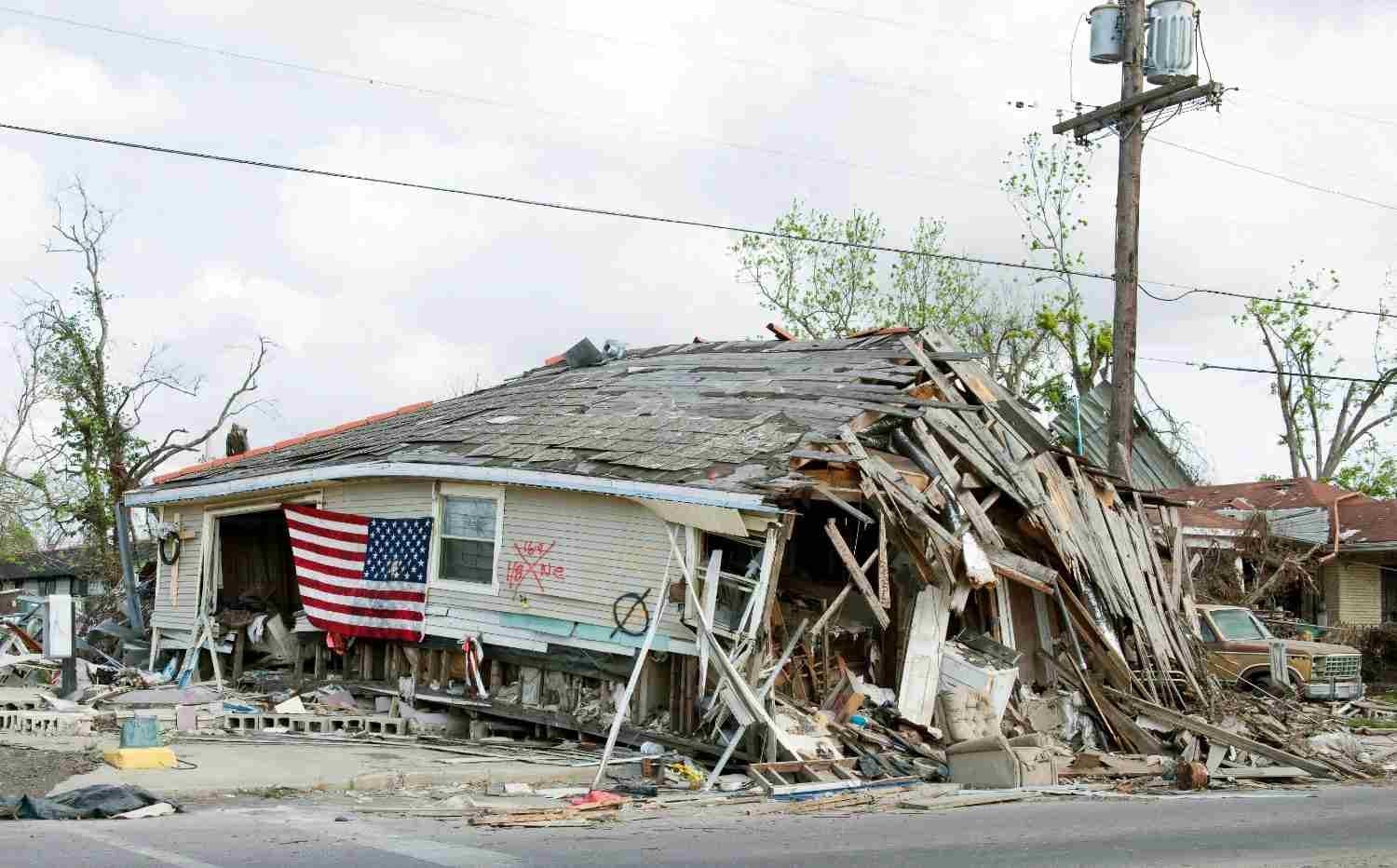
The core rule of any post-storm water and mold checklist is simple: dry every wet material within 24 to 48 hours, or remove it. That is the window the U.S. Environmental Protection Agency (EPA) gives for preventing mold growth, and after a hurricane it closes fast.
Hurricane Isaias was a reminder that Florida’s storm season runs through November 30. This checklist covers safety, drying, mold prevention, and the insurance steps that protect your claim.
At a glance
- Safety comes before cleanup. Floodwater, wet electrical systems, and generator exhaust cause many post-storm injuries.
- The 24-to-48-hour drying window matters most. After that, mold growth becomes likely on wet drywall, carpet, and wood.
- Document before you discard. Photos and a damage list support your insurance claim.
- Florida law sets claim deadlines and contractor rules. Knowing them protects you from scams and late-notice denials.
What Hurricane Isaias means for Florida homes
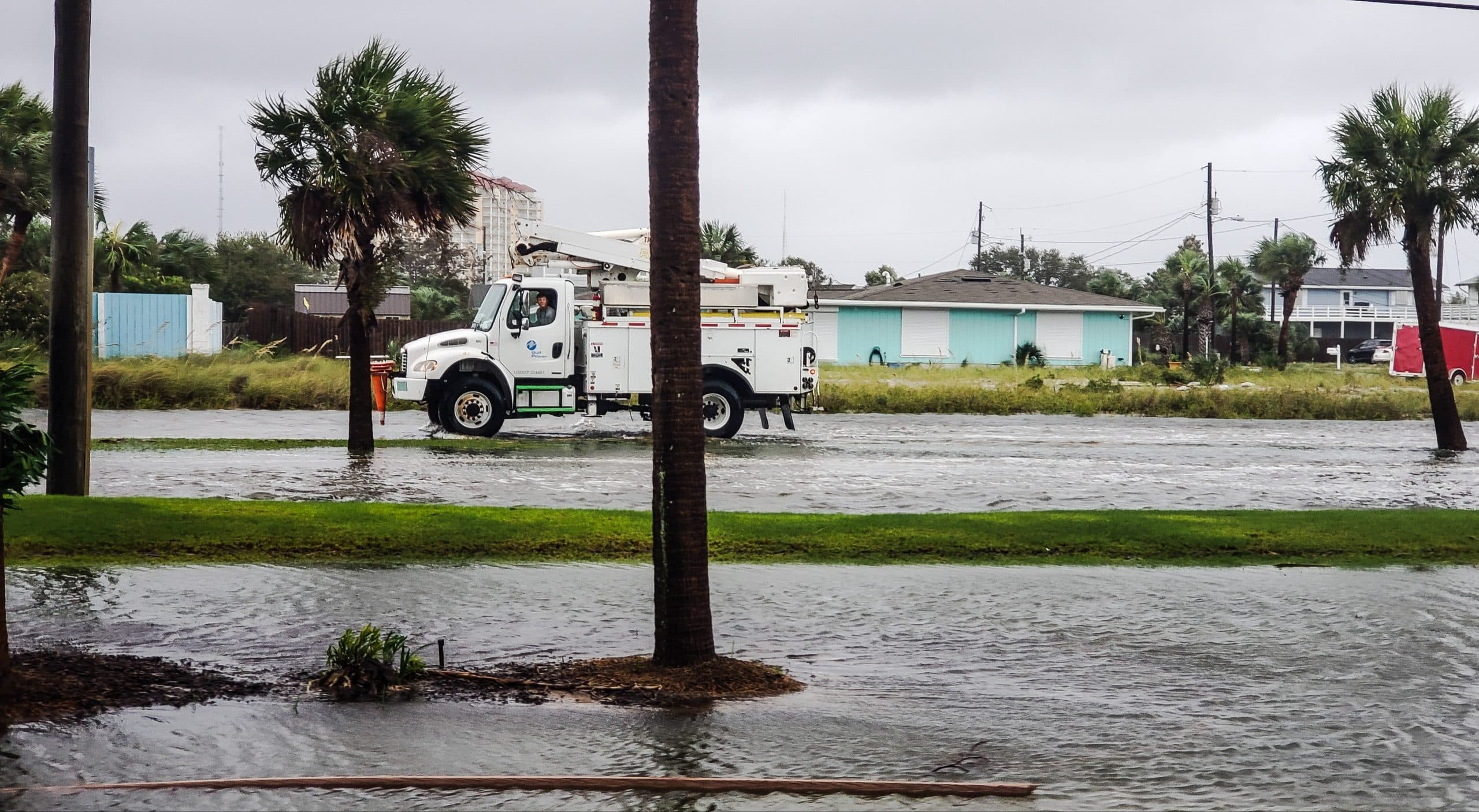
Hurricane Isaias brought the kind of water damage that turns into mold if homeowners wait. The storm made landfall near Destin around 8 p.m. on October 9, 2026, as a Category 2 hurricane, and Fox Weather reported a Flash Flood Emergency for Fort Walton Beach and Destin and more than a foot of rain in DeFuniak Springs.
FEMA approved an emergency declaration, EM-3655-FL, on October 9 for counties across the Panhandle and Big Bend. As of October 14, local officials reported that the declaration covers government response costs only, and individual FEMA assistance had not yet been determined.
Isaias hit northwest Florida hardest, but the same steps apply anywhere in the state.
Safety first: before you go back inside
Before any cleanup starts, make sure the house is safe to enter. Return only after local officials say it’s safe, and go in during daylight with a battery-powered flashlight. The CDC’s guidance for reentering a flooded home covers the biggest risks:
- Electrical hazards. Never use a wet electrical device or touch the panel while standing in water. Have an electrician inspect any system that got wet.
- Carbon monoxide. Run generators and pressure washers outdoors only, at least 20 feet from any door, window, or vent, and use a battery-powered CO detector.
- Contaminated water. Floodwater can contain sewage and chemicals, so wear rubber boots, gloves, and eye protection.
- Structural damage. Leave right away if you hear shifting or unusual noises.
- Gas leaks. If you smell gas, leave and call your utility from outside.
Your post-storm water and mold checklist
Once the home is safe, work through this post-storm water and mold checklist in order. The goal is to get every wet material dry, or out, inside the 24-to-48-hour window.
- 1Document before you touch anything. The CDC advises contacting your insurer and photographing the home and belongings first.
- 2Stop more water from getting in. Tarp roof openings, cover broken windows, and keep the receipts.
- 3Remove standing water with pumps or wet vacuums, keeping gas-powered equipment outdoors.
- 4Pull out soaked porous materials. Wet carpet, pad, drywall, and insulation hold water against the structure; professionals make flood cuts above the waterline so walls can dry.
- 5Get air moving. Run fans and dehumidifiers once power is safe, and open windows only when the outdoor air is drier.
- 6Check hidden spots inside lower cabinets, behind baseboards, and under flooring. Don’t run an HVAC system that took on water until it’s inspected.
- 7Clean hard surfaces with detergent and water, then dry completely.
- 8Confirm it’s actually dry. Moisture meters show when wall cavities and subfloors are truly back to normal.
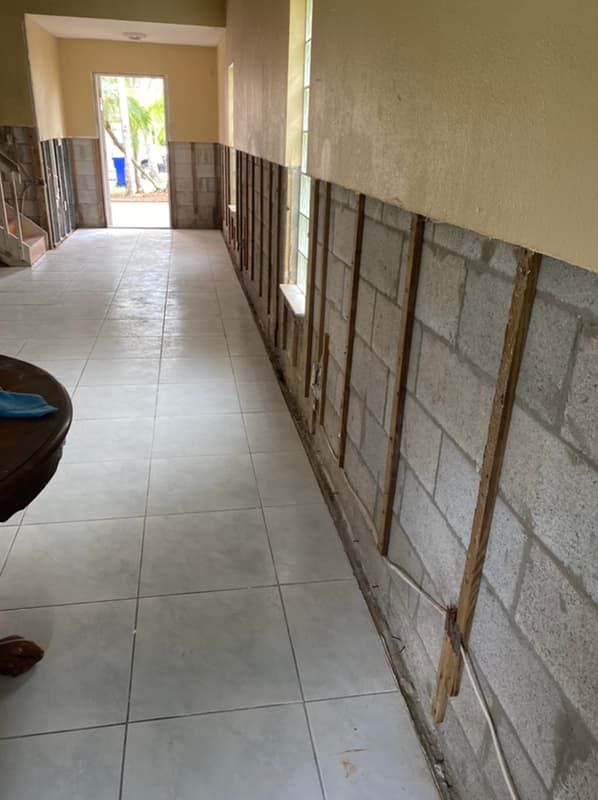
If you can’t finish drying within 48 hours, call a professional water damage restoration team.
How to keep mold from taking hold
Mold prevention after a hurricane comes down to speed and humidity control. If a flooded home has been closed up for several days, the CDC advises assuming it already has mold.
- Treat floodwater as contaminated. Under the ANSI/IICRC S500 standard, Category 3 water includes flooding from ground surface water, so soaked porous materials usually can’t be saved.
- Control humidity. The EPA recommends indoor humidity below 60 percent, ideally 30 to 50 percent.
- Skip the bleach shortcut. The EPA does not recommend bleach or other biocides as a routine practice, because dead mold can still trigger allergies.
- Know your limits. The EPA treats mold over about 10 square feet, or any mold after contaminated water, as a professional job.
Florida law also matters here. Under section 468.8411, Florida Statutes, "mold remediation" covers treating mold or mold-contaminated matter greater than 10 square feet, and paid work at that scale generally requires a mold remediator licensed under Chapter 468, Part XVI, Florida Statutes. Swift Restoration provides licensed mold remediation for storm-related mold.
Keep, clean, or discard: a quick guide
The rule of thumb from the EPA and CDC’s mold cleanup guide for disasters is to throw away anything that was wet with floodwater and can’t be cleaned and dried completely within 24 to 48 hours. Here is how that applies to common items:
- Mattresses, box springs, pillows: discard. They absorb contaminated water and can’t be fully disinfected.
- Carpet and carpet pad: discard if soaked by floodwater. They hold contamination deep in the fibers and backing.
- Upholstered furniture: usually discard. Very hard to dry within 48 hours.
- Drywall and insulation: remove and discard if saturated. They trap moisture and contamination inside walls.
- Wood and metal furniture: clean and dry. Hard surfaces can be scrubbed with detergent.
- Tile, countertops, fixtures: clean and disinfect. Non-porous surfaces don’t absorb water.
- Clothing and linens: wash in hot water or dry-clean, as recommended by the Florida Department of Health.
- Food that touched floodwater: discard. It can carry bacteria even if it looks fine.
Photograph everything before it goes to the curb, and list each item for your claim.
Insurance, documentation, and Florida law
Good documentation and a few Florida rules protect your claim after a hurricane. Keep these in mind:
- Wind and flood are covered differently. The Flood Disclosure under section 689.302, Florida Statutes states that homeowners’ insurance policies do not include coverage for damage resulting from floods, so rising water needs a separate flood policy.
- Report promptly. Under section 627.70132, Florida Statutes, a claim is barred unless notice is given within 1 year after the date of loss, and a supplemental claim within 18 months.
- Know the insurer’s timelines. Section 627.70131, Florida Statutes requires insurers to acknowledge claim communications within 7 calendar days.
- Watch for contractor red flags. Under section 489.147, Florida Statutes, it is insurance fraud punishable as a felony of the third degree for a contractor to knowingly pay, waive, or rebate your insurance deductible. Contractors also may not interpret policy provisions or adjust a claim on your behalf unless they hold a public adjuster license.
Swift Restoration documents moisture readings, photos, and scope for your claim and bills insurers directly on covered losses.
This is general information, not legal or insurance advice.
Don’t let the water win the second round
The storm is the first round of damage; mold is the second, and you can still prevent it. Follow this post-storm water and mold checklist: stay safe, document everything, dry or remove wet materials within 48 hours, and protect your claim.
If Isaias or any late-season storm left water in your Florida home, Swift Restoration’s storm restoration team can extract, dry, and remediate as one coordinated job. Request a free visual assessment or call us, 24/7.
Frequently asked questions
How soon after a hurricane does mold start growing?+
The EPA advises drying water-damaged materials within 24 to 48 hours to prevent mold growth. After that window, growth on wet drywall, carpet, and wood becomes likely. If a flooded home stays closed up for several days, the CDC advises assuming mold is already present.
Is it safe to stay in my home if it has water damage?+
It depends. Don’t stay if the electrical system got wet and hasn’t been inspected, if you hear shifting, or if sewage-contaminated water reached living areas. People with asthma, mold allergies, or weakened immune systems should stay elsewhere during cleanup.
Does homeowners insurance cover hurricane water damage?+
It depends on the source. Roof openings and wind-driven rain are typically handled under your homeowners or wind policy, subject to your hurricane deductible. Rising floodwater requires a separate flood policy; the NFIP is currently authorized through December 11, 2026.
Can I clean up mold myself after the storm?+
For small patches under about 10 square feet on hard surfaces, usually yes. Mold after floodwater or sewage, mold over 10 square feet, or mold inside walls or HVAC systems calls for a professional, and in Florida that means a licensed mold remediator.
Should I run my air conditioning to dry the house?+
If the AC system stayed dry, running it helps pull humidity down. If floodwater reached the air handler or ductwork, don’t run it until it’s inspected and cleaned, because the EPA warns a contaminated system can spread mold through the home.
Is FEMA assistance available after Hurricane Isaias?+
As of October 14, the federal emergency declaration (EM-3655-FL) covered government response costs only, and individual assistance had not been determined. Counties were pursuing a major disaster declaration. Check FEMA’s Isaias page for updates and report damage to your county either way.
How do I choose a restoration company after a storm?+
Look for 24/7 local response, IICRC-based drying procedures, written moisture documentation, and licensed mold remediation. Walk away from any contractor who offers to waive your deductible or to interpret your policy or handle your claim without a public adjuster license; Florida law prohibits both.
Dealing with this right now?
Skip the reading. A live dispatcher answers 24/7 and the visual assessment is free, with no obligation.
(305) 733-4134