A flood looks like the disaster, but mold from a slow hidden leak vs. mold from a flood usually isn’t a close comparison: the quiet leak tends to cause more damage. A flood gets noticed the day it happens, dried out fast, and often covered by insurance.
A slow leak behind a wall can run for months before anyone finds it, feeding mold the whole time, and it’s frequently excluded from coverage once discovered. The U.S. Environmental Protection Agency (EPA) says drying wet materials within 24 to 48 hours prevents mold growth; a hidden leak blows past that window long before anyone knows it exists.
At a glance
- Speed of discovery matters more than volume of water. A small leak given months does more mold damage than a large flood given hours.
- Floods get professional drying fast; slow leaks don’t get found until damage is already extensive.
- Insurance usually treats them differently: sudden events are typically covered, gradual leaks often aren’t.
Where the damage actually comes from
The damage comes from how long materials stay wet, not how much water arrives. A flood is loud: standing water, an obvious source, and a homeowner who calls for help the same day. The EPA advises drying water-damaged areas and items within 24 to 48 hours to prevent mold growth, and a flood almost always gets that response window because it’s impossible to ignore.
A slow leak is quiet by definition. Common culprits in Florida homes include:
- A pinhole leak in a supply line inside a wall
- A slow roof leak
- A failing shower pan
- A clogged AC condensate line
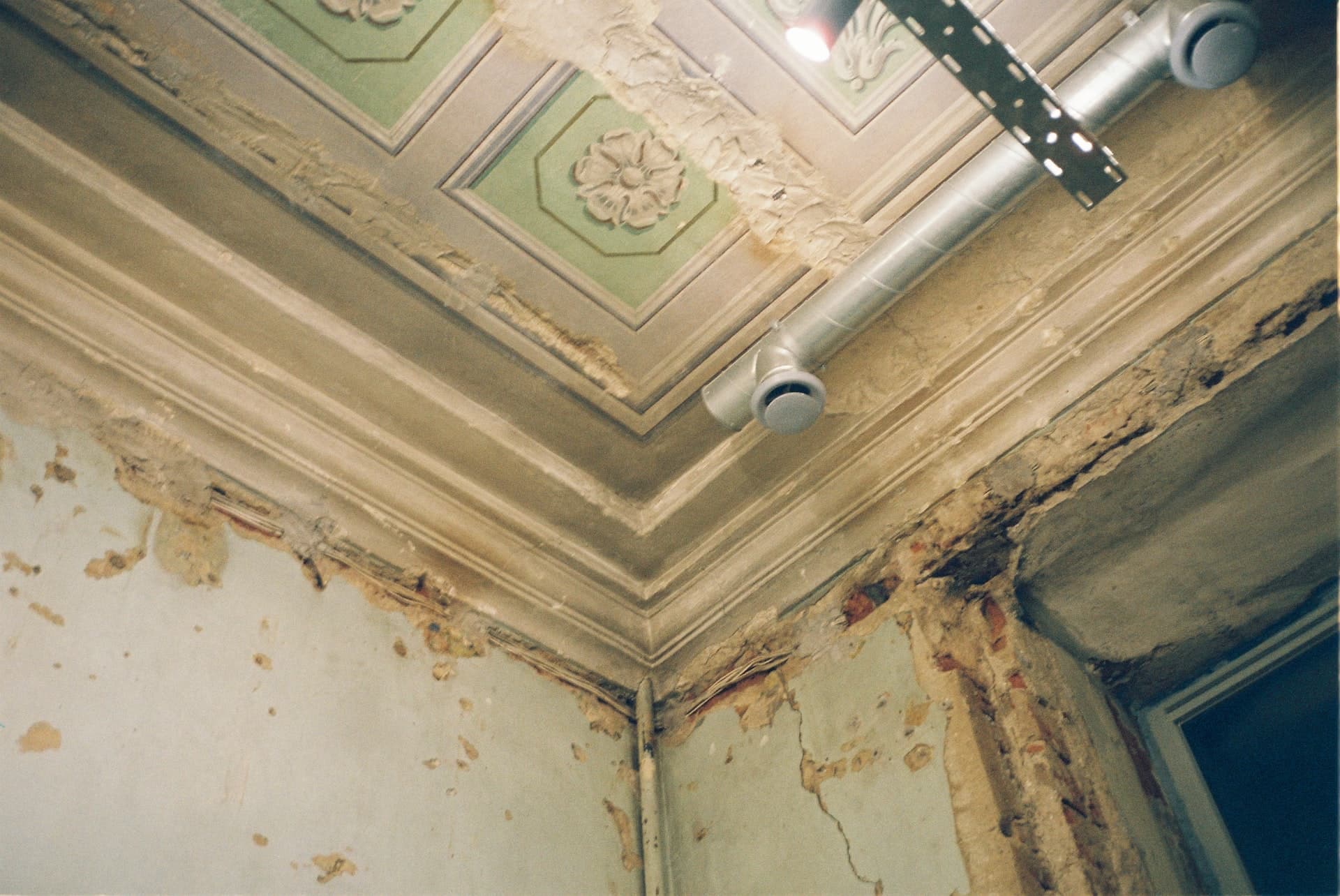
Each of these can feed the same materials for weeks or months with no standing water to notice. By the time the leak is found, through a smell, a stain, or a spike in the water bill, the mold has had far longer than 48 hours to establish. It’s often deep inside wall cavities rather than on a visible surface.
Three reasons the slow leak usually wins
The slow leak usually causes worse mold because it has more time, better hiding places, and a source that never stops.
1. It has more time
Mold needs moisture and time, and a slow leak supplies both for as long as it stays hidden. A flood gets one intense exposure that ends the moment extraction starts. A slow leak keeps going.
2. It colonizes where you can’t see it
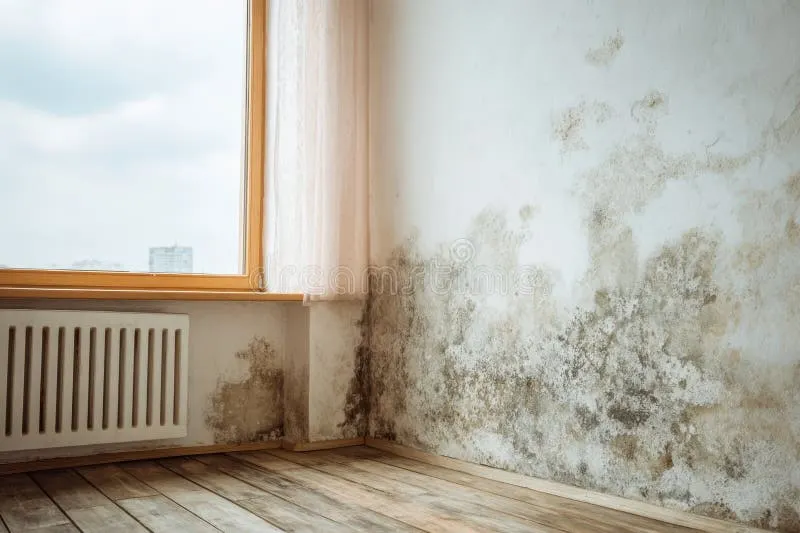
Flood water sits on surfaces and gets extracted from surfaces. A slow leak often saturates the inside of a wall or the area under flooring first. The EPA notes that hidden mold often grows on the back of drywall, the top of ceiling tiles, and under carpet. Mold growing there isn’t visible until it’s already extensive.
3. The source keeps re-feeding it
Once floodwater is extracted, the moisture source is gone. A slow leak’s source is usually still active until someone finds and fixes it. As the EPA’s cleanup guidance warns, if you clean up mold but don’t fix the water problem, the mold will most likely come back. Remediation without finding the leak just repeats the job later.
Warning signs of a slow hidden leak
A slow hidden leak rarely announces itself with standing water, so the clues are subtle. Hidden leaks are also more common than most homeowners think: EPA WaterSense data shows that 10 percent of homes have leaks that waste 90 gallons or more per day.
- A musty smell with no visible source, a classic EPA sign of hidden mold
- A rising water bill with no change in habits
- A damp spot that never dries, or stains and bubbling paint below bathrooms
- Warped baseboards or soft flooring near tubs, toilets, and dishwashers
- Water around the AC air handler, often from a clogged condensate line
- A water meter that moves when nothing is running
For the meter test, EPA WaterSense recommends reading your meter before and after a two-hour period with no water use. If the reading changes, you probably have a leak.
The insurance gap makes it worse
This is where a slow leak’s disadvantage compounds. Standard homeowners policies generally cover water damage that’s sudden and accidental, such as a burst pipe or a failed appliance, but treat gradual damage as a maintenance issue and exclude it, even when the homeowner had no way of knowing.
Water damage and freezing claims average around $15,400, per Insurance Information Institute data for 2019 to 2023, but that assumes a covered, sudden loss. A slow leak’s damage is often larger by the time it’s found and frequently isn’t covered at all, so the homeowner absorbs a bigger bill with less help paying for it.
The "constant or repeated seepage or leakage" exclusion
Many Florida policies exclude loss caused by "constant or repeated seepage or leakage of water" over a period of 14 or more days. In Hicks v. American Integrity Insurance Company of Florida, 241 So. 3d 925, Florida’s Fifth District Court of Appeal held that this wording does not unambiguously exclude damage from the first 13 days of a leak. Policies worded "over a period of weeks, months or years" have been treated differently, so your exact policy language matters.
Flood is a separate policy
Flood mold faces its own gap. The Flood Disclosure required by section 689.302, Florida Statutes states that homeowners’ insurance policies do not include coverage for damage resulting from floods, so flood losses need a separate flood policy. Either way, report promptly: under section 627.70132, Florida Statutes, a claim is barred unless notice is given within 1 year after the date of loss.
This is general information, not legal or insurance advice.
Slow leak vs. flood: side by side
The two sources of mold differ most in timing, visibility, and coverage:
- How it’s discovered. Slow leak: smell, stain, or water bill, often weeks or months later. Flood: immediately.
- When drying starts. Slow leak: often far past the 24-to-48-hour window. Flood: often within it.
- Water quality. Slow leak: often clean supply water at first. Flood: often contaminated (Category 2 or 3).
- Source after discovery. Slow leak: usually still active until found and fixed. Flood: ends when the water recedes.
- Typical insurance treatment. Slow leak: often excluded as gradual seepage or leakage. Flood: not covered by homeowners policies; needs a flood policy.
What to do if you suspect a hidden leak
If you suspect a hidden leak, act as quickly as you would for a flood.
- 1Stop the water. Close the fixture valve or main shutoff if you see active leaking.
- 2Document everything. Photograph damage, save water bills, and note the discovery date; timing matters for the seepage exclusion and the claim deadline.
- 3Don’t tear into walls yourself. Opening moldy drywall spreads spores, and the EPA treats anything over about 10 square feet as a professional job.
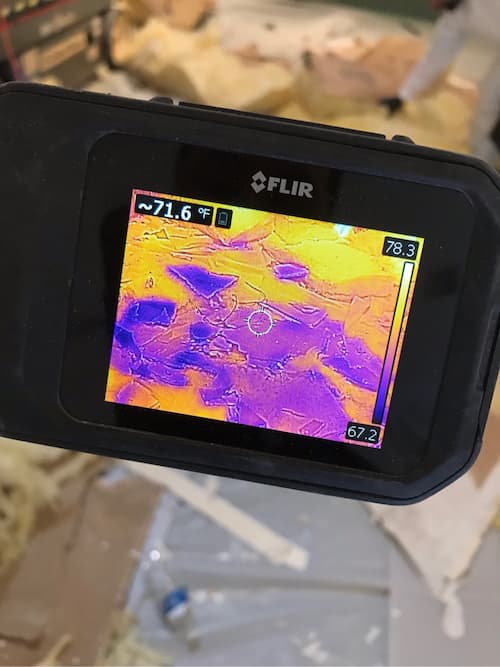
- 4Get the leak located with thermal imaging and moisture meters instead of guesswork demolition.
- 5Fix the source, then dry and remediate. In Florida, mold remediation over 10 square feet generally requires a mold remediator licensed under Chapter 468, Part XVI, Florida Statutes.
- 6Notify your insurer promptly, even if you’re unsure the loss is covered.
Swift Restoration’s water damage restoration and mold remediation teams can handle the leak detection, drying, and cleanup as one job.
Quiet damage still needs fast action
A flood demands an immediate response because it’s impossible to ignore. A slow leak deserves the same urgency the moment it’s found; its head start is exactly why mold from a slow hidden leak is usually worse than mold from a flood.
If you suspect a hidden leak or found mold with no obvious source, Swift Restoration offers a free visual assessment to find it before it gets worse. Schedule your free visual assessment or call us, 24/7.
Frequently asked questions
How can I tell if I have a slow hidden leak?+
Look for a musty smell, an unexplained rise in your water bill, or a damp spot that never quite dries. None of these require standing water to be present.
Does homeowners insurance ever cover a slow leak?+
Sometimes, if the underlying failure was itself sudden even though damage accumulated afterward. But a leak that was gradual and undetected for a long period is usually treated as a maintenance issue and excluded. In Florida, the exact wording of your seepage exclusion can change the outcome.
Is flood mold ever worse than slow-leak mold?+
It can be, especially with contaminated (Category 2 or 3) floodwater or delayed extraction. Contaminated water means more materials must be removed, which is why fast storm damage restoration matters after a flood. This comparison describes typical cases, not every scenario.
Should I check for hidden leaks even without visible signs?+
Yes. Periodically checking under sinks, around water heaters, and the water meter (to see if it moves with everything off) can catch a leak before mold has months to establish. EPA WaterSense partners also suggest adding food coloring to the toilet tank and checking the bowl after 10 minutes.
How fast can mold grow after a leak starts?+
The EPA advises drying water-damaged materials within 24 to 48 hours to prevent mold growth. That short window is why a leak hidden for weeks almost always produces mold, while a flood dried promptly often doesn’t.
Can mold from a slow leak make my family sick?+
It can affect sensitive people. According to the CDC, mold exposure can cause a stuffy nose, wheezing, and red or itchy eyes or skin, and people with asthma, allergies, or weakened immune systems may react more strongly.
Should I test for mold if I find a hidden leak?+
Often it isn’t necessary when mold is visible, according to the EPA. Testing can help when you smell mold but can’t find it, or to confirm the area is clean after remediation. In Florida, that testing should come from a licensed mold assessor.
Dealing with this right now?
Skip the reading. A live dispatcher answers 24/7 and the visual assessment is free, with no obligation.
(305) 733-4134