A sewage backup in your house is the one water emergency where the right first move is to do less: stop using water, keep everyone away from it, and do not start scrubbing. Sewage is Category 3 water, the most contaminated class in the restoration industry's grading, and cleaning it up is as much a health decision as a property one. Here is what to do step by step, who to call for which part of the problem, and how the insurance side works in Florida.
What should I do first when sewage backs up?
Stop adding water to the system and protect the people in the house. Everything else comes after those two.
- 1Stop using every drain. No flushing, no showers, no laundry, no dishwasher. Whatever goes down a drain right now comes back up through the lowest fixture.
- 2Keep children and pets out of the affected rooms entirely, and keep foot traffic through the area to a minimum so contamination is not tracked through the house.
- 3Cut power to the affected area if water is near outlets or appliances. The CDC advises turning off electrical power where there is standing water.
- 4If you must enter the area, wear rubber boots and waterproof gloves, and wash your hands with soap and water afterward, per the same CDC guidance.
- 5Open windows in the affected rooms and run exhaust fans if it is safe to do so.
- 6Photograph everything before any cleanup: the water line, the source fixture, and each affected room and item. The pictures carry the claim later.
- 7Figure out where the blockage is, which decides who you call first. The next section covers that.
What not to do: do not run a household fan across sewage, which spreads contaminated droplets; do not pour chemicals down the drain hoping to clear it; and do not treat a receding backup as a finished problem, because everything the water touched is still contaminated.
Is a sewage backup dangerous?
Yes. Sewage carries bacteria, viruses, and parasites, and contact can cause stomach illness, skin infections, and rashes. Children, older adults, pregnant women, and anyone with a weakened immune system are most at risk and should stay elsewhere until cleanup is complete. The CDC's flood guidance applies directly here: treat the water as contaminated, wear boots and waterproof gloves, keep cuts covered, and wash hands with soap and water after any contact.
The second danger is slower. Sewage soaks into porous materials, and anything that stays wet becomes a mold problem on top of a contamination problem; the EPA advises drying water-damaged materials within 24 to 48 hours to prevent mold growth. With Category 3 water the standard is stricter than drying alone, because porous materials that absorbed sewage usually cannot be sanitized at all.
Who do I call: the city, a plumber, or a restoration company?
It depends on where the blockage sits, and often you end up calling more than one.
- The city or utility, if the blockage may be in the public main. If sewage is coming up through multiple fixtures and neighbors have problems too, call the utility's emergency line first; they will check whether the main is the cause.
- A plumber or sewer contractor, if the blockage is in your lateral line, the pipe from your house to the main. That pipe is the homeowner's responsibility, and tree roots, grease, and pipe failures in it are the most common causes of backups.
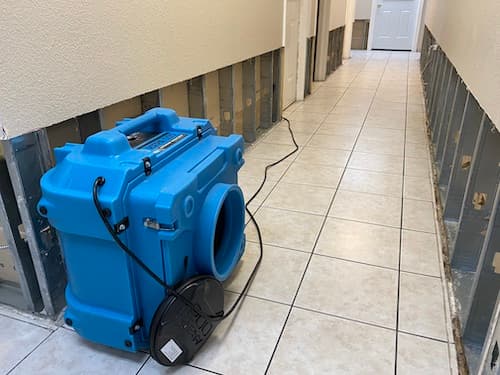
- A restoration company, for everything the sewage touched. Clearing the pipe stops the source; it does nothing about the contaminated floors, drywall, and belongings. Under the IICRC's grading, sewage is Category 3 water, which calls for containment, removal of unsalvageable porous materials, disinfection, and documented structural drying, the same class of response we covered in our guide to the three categories of water damage.
- Your insurer, promptly, whether or not you are sure the loss is covered. Late notice is one of the easiest ways to lose an otherwise valid claim.
Does insurance cover sewage backup?
Usually not under a standard policy alone, and this surprises more homeowners than any other part of the loss. Three rules cover most situations:
- Standard homeowners policies generally exclude sewer and drain backups. Coverage comes from a water backup endorsement, an inexpensive add-on with its own limit. If you do not know whether you have it, that is the first question for your agent.
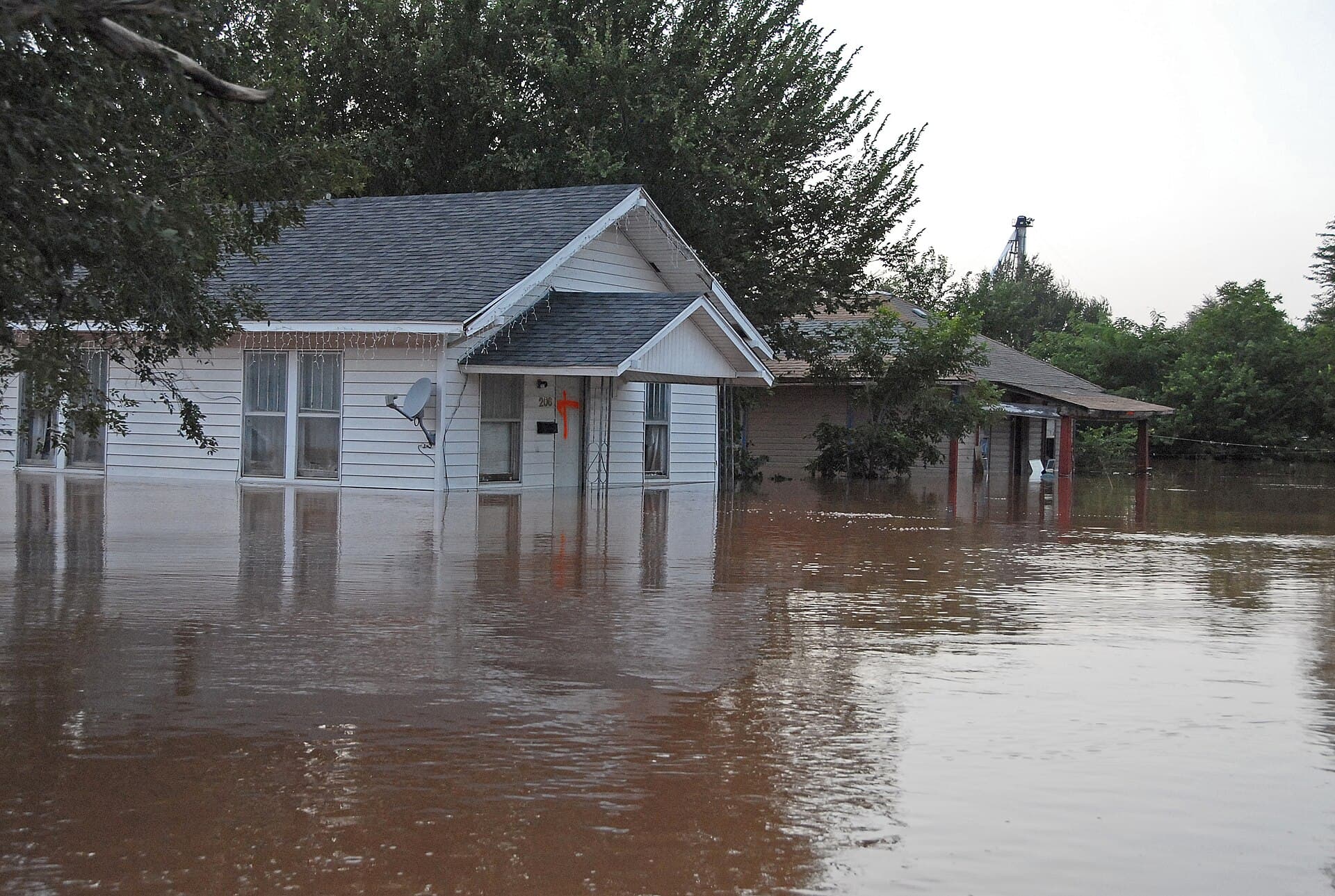
- During a flood, the flood policy may respond instead. The NFIP excludes sewer backup damage unless a flood in the area caused the backup, a distinction we explained in water damage vs. flood damage.
- Florida's claim deadlines still apply. A claim is barred unless notice is given within 1 year after the date of loss, so report first and sort out coverage second.
Document the loss the way adjusters expect: photos before cleanup, a list of discarded items with pictures of each, receipts for everything you buy to limit the damage, and professional moisture and contamination documentation. On covered losses we bill insurers directly, so the out-of-pocket cost is often limited to the deductible.
This section is general information, not legal or insurance advice.
What has to be thrown away after a sewage backup?
The dividing line is porous versus non-porous. Porous materials absorb contaminated water and generally cannot be sanitized:
- Carpet, carpet pad, and rugs that sewage reached
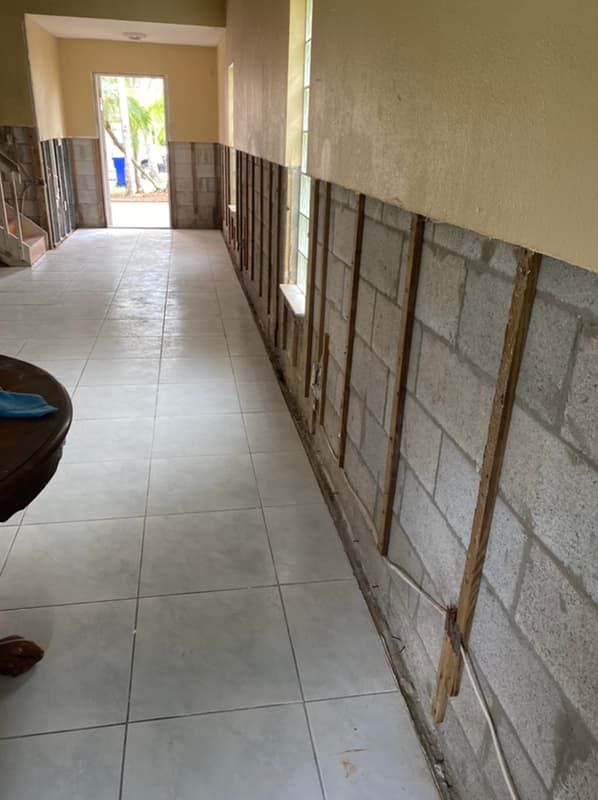
- Drywall, baseboards, and insulation that soaked it up, usually removed with a flood cut above the contamination line
- Mattresses, pillows, and upholstered furniture
- Books, cardboard, and paper goods
- Any food, including canned goods that sat in sewage
Non-porous and hard materials can usually be saved: tile, sealed concrete, metal, hard plastic, and solid wood furniture can be cleaned, disinfected, and dried. The CDC's cleanup guidance is to wash hard surfaces with soap and water, then disinfect with a solution of 1 cup of bleach per gallon of water, and never mix bleach with ammonia cleaners. Photograph every discarded item first; the claim needs that list.
Can I clean up a sewage backup myself?
A small backup confined to a bathroom's tile floor, caught immediately, is a realistic do-it-yourself job with boots, gloves, soap-and-water cleaning, and bleach disinfection. Beyond that, the honest answer is no. If sewage reached carpet, drywall, or furniture, sat for more than a few hours, or covers more than one room, the job involves removing contaminated materials, verifying what is salvageable, and drying the structure to a documented standard. The EPA also treats mold cleanup beyond about 10 square feet as a professional job, and after Category 3 water the mold question is a when, not an if, unless drying starts fast. That is the work our water damage restoration team does daily, with mold remediation behind it when a backup sat undiscovered.
How do I prevent the next backup?
Most backups repeat until the cause is fixed. The usual suspects:
- Tree roots in the lateral line, the top cause in older Florida neighborhoods; a camera inspection finds them.
- Grease down the kitchen drain, which hardens in the line and catches everything after it.
- Flushing wipes, including the ones labeled flushable.
- Heavy rain infiltrating the sewer system; a backwater valve on the lateral keeps the main's overflow out of your house, and it is worth asking a plumber about if you have had a rain-driven backup, as many homes saw after Hurricane Isaias.
- A failing septic system, if you are not on city sewer; pump-based systems also stop working in a power outage, so limit water use until power returns.
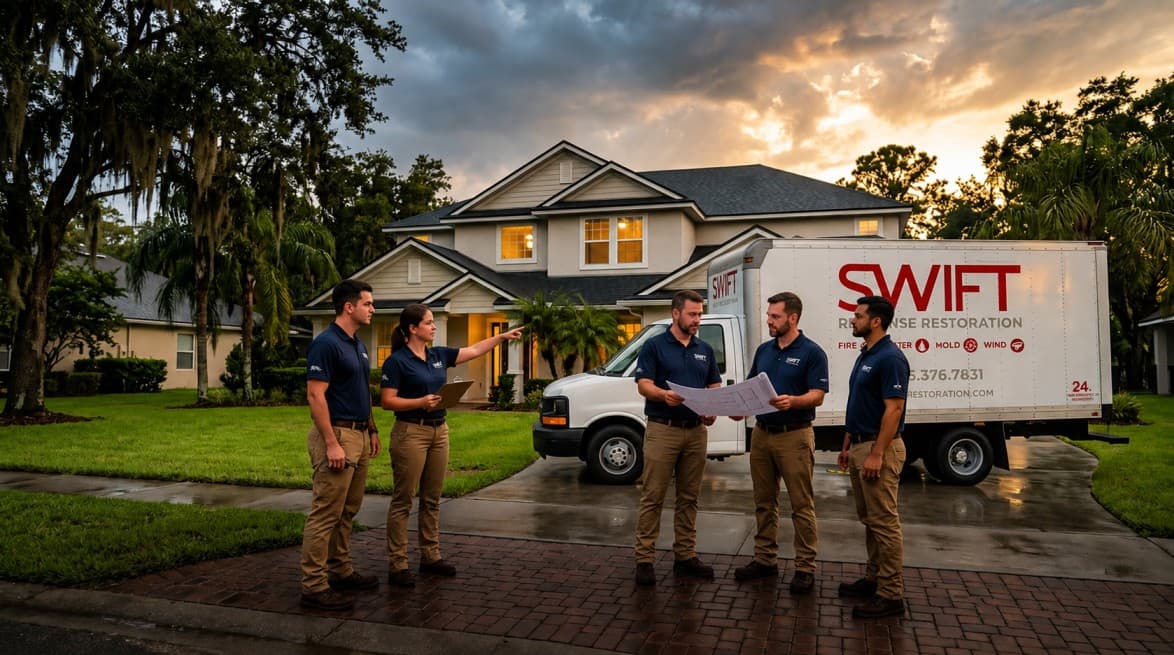
If sewage has backed up into your Florida home, Swift Restoration can contain the contamination, remove what cannot be saved, disinfect and dry the structure, and document all of it for your claim. Request your free visual assessment or call us, 24/7.
Frequently asked questions
Is a sewage backup an emergency?+
Yes. It is contaminated Category 3 water in your living space, and the damage compounds hourly as it soaks into floors and walls. Stop using water, keep people and pets away, and get the blockage and the cleanup addressed the same day.
Can I stay in my house during a sewage backup?+
If the backup is confined to one bathroom or a garage, usually yes, with the area sealed off. If sewage reached living areas, bedrooms, or the HVAC system, or anyone in the home is immunocompromised, elderly, pregnant, or an infant, stay elsewhere until cleanup and disinfection are complete.
Why did sewage back up into my shower or tub?+
Because the shower is the lowest drain in the house. A blockage in the lateral line or main sends wastewater back up the pipes, and it exits at the lowest opening, which is usually a tub, shower, or floor drain.
Does homeowners insurance cover sewage backup?+
Generally not without a water backup endorsement, which is a separate add-on with its own limit. If a flood caused the backup, a flood policy may respond instead. Report the loss promptly either way; in Florida, notice must be given within 1 year.
What is Category 3 water?+
The restoration industry's most contaminated grade of water under the IICRC standard: water containing sewage or other pathogens. It changes the cleanup rules, as porous materials that absorbed it are removed rather than dried, and the area is disinfected, not just dried.
How long does sewage cleanup take?+
A small contained backup can be cleaned and disinfected in a day. A backup that reached carpet and drywall typically takes several days: removal of contaminated materials first, then disinfection, then structural drying tracked with moisture readings until the structure is verifiably dry.
Will the smell go away on its own?+
No. Odor after a backup means contamination or trapped moisture is still present, often under flooring or inside a wall. If the smell persists after visible cleanup, something was missed, and it is worth a professional moisture inspection before mold compounds the problem.
Dealing with this right now?
Skip the reading. A live dispatcher answers 24/7 and the visual assessment is free, with no obligation.
(305) 733-4134